Volatile Organic Compounds (VOCs) in the Laundry Room: Risks, Testing & What to Do
Quick Answer: Is Volatile Organic Compounds (VOCs) Common in the Laundry Room?
Laundry Room combine chemical detergents, fabric softener fumes, lint particles, and warm humid air from dryers. Many laundry rooms also lack proper ventilation, concentrating VOCs and moisture.
Verdict: This is a high-risk combination — testing is strongly recommended.
Why the Laundry Room Is Vulnerable to Volatile Organic Compounds (VOCs)
Laundry Room combine chemical detergents, fabric softener fumes, lint particles, and warm humid air from dryers. Many laundry rooms also lack proper ventilation, concentrating VOCs and moisture.
Specific sources in the laundry room: paints and varnishes, cleaning supplies, air fresheners, paint strippers, dry-cleaned clothing, pesticides.
Risk Factors for Volatile Organic Compounds (VOCs) in the Laundry Room
paints and varnishes
cleaning supplies
air fresheners
paint strippers
dry-cleaned clothing
pesticides
Symptoms to Watch For
If you notice these symptoms — especially after spending time in your laundry room — volatile organic compounds (vocs) could be the cause:
What You Can Do Right Now
Test for volatile organic compounds (vocs) in your laundry room using an appropriate test kit or monitor — don't guess, measure.
Use low-VOC or zero-VOC paints and products. Increase ventilation when using products containing VOCs. Store chemicals in well-ventilated areas or outside. Use air purifiers with activated carbon filters.
Improve ventilation in your laundry room by opening windows when possible and ensuring exhaust fans work properly.
Inspect your laundry room for paints and varnishes and address any issues immediately.
Inspect your laundry room for cleaning supplies and address any issues immediately.
EPA-Recommended Action
Use low-VOC or zero-VOC paints and products. Increase ventilation when using products containing VOCs. Store chemicals in well-ventilated areas or outside. Use air purifiers with activated carbon filters.
⚠️ Your Laundry Room may contain Volatile Organic Compounds (VOCs) at dangerous levels right now.
The EPA estimates indoor air can be 2–5× more polluted than outdoor air. Without testing, there's no way to know if Volatile Organic Compounds (VOCs) is present at concerning levels. The EPA recommends testing as the first step.
Recommended Test Kits & Protection for Volatile Organic Compounds (VOCs) in the Laundry Room
These products are specifically recommended for detecting and addressing volatile organic compounds (vocs) in your laundry room.

Air Quality Monitor
Detects PM2.5, formaldehyde, TVOC. LCD display. Portable.
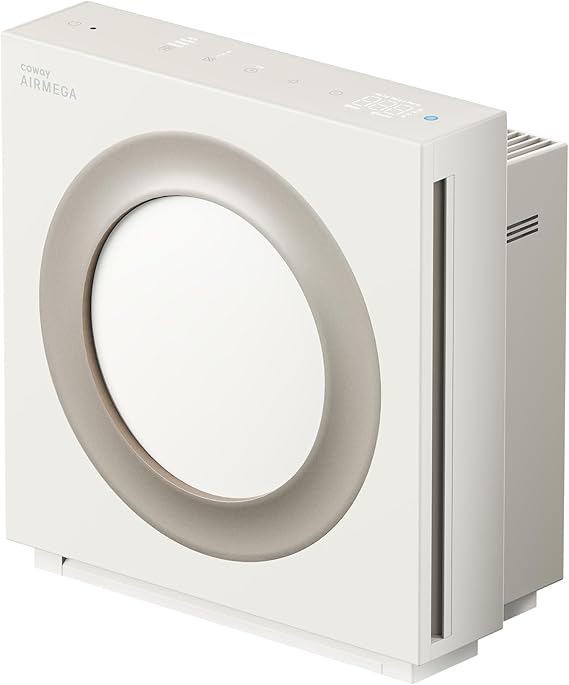
Coway Airmega Mighty2 Air Purifier
Next-gen HEPA air purifier. Covers up to 1,800 sq ft. IEST certified. Eco mode. Covers allergens, smoke, dust, pets, mold.

Airthings 2960 View Plus Air Quality Monitor
Tracks radon, CO2, VOC, PM2.5, humidity, temp, pressure. Wi-Fi connected. Battery powered. Free app.
As an Amazon Associate, we earn from qualifying purchases.
Your Home Air Defense Kit
These 3 items help you monitor and improve your indoor air.

LEVOIT Core 300-P HEPA Air Purifier
A true HEPA filter captures 99.97% of airborne particles — dust, pollen, mold spores, and pet dander. Running one in your main living space is the single most effective step you can take for cleaner indoor air.
Get the Air Purifier — Breathe Cleaner at Home →
First Alert Radon Gas Test Kit
Radon is the second leading cause of lung cancer and you can't smell or see it. This EPA-listed test kit gives you results in days — know your levels before it becomes a problem you can't undo.
Test for Radon — What You Don't Know Can Hurt You →
Digital Moisture Meter
Hidden moisture behind walls and under floors is how mold problems start. A pin-type moisture meter lets you catch elevated readings early — before you see or smell the damage.
Get the Moisture Meter — Stop Mold Before It Starts →Don't just check one room — test your whole home.
Hazards in your laundry room could be affecting air quality throughout your entire house.
Other Hazards in Your Laundry Room
Your Laundry Room may also contain these air quality hazards:
Laundry Room Chemical Exposure
Laundry detergents, fabric softeners, and dryer sheets release VOCs and synthetic fragrances. Dryer exhaust can contain microplastics and chemical residues. The warm, humid environment also promotes mold growth.
High Indoor Humidity
Humidity above 60% creates ideal conditions for mold, dust mites, and bacteria. It also increases off-gassing of VOCs from furniture and building materials. The EPA recommends 30-50% indoor humidity.
Mold Exposure
Mold releases spores that trigger allergies, asthma attacks, and respiratory infections. Black mold (Stachybotrys chartarum) produces mycotoxins linked to neurological symptoms.
Volatile Organic Compounds (VOCs) in Other Rooms
Volatile Organic Compounds (VOCs) can also be found in other rooms in your home:
Frequently Asked Questions
Is volatile organic compounds (vocs) common in the laundry room?
Yes. The laundry room is one of the rooms where volatile organic compounds (vocs) is most commonly found. Sources include: paints and varnishes, cleaning supplies, air fresheners. Laundry Room combine chemical detergents, fabric softener fumes, lint particles, and warm humid air from dryers. Many laundry rooms also lack proper ventilation, concentrating VOCs and moisture.
How do I test my laundry room for volatile organic compounds (vocs)?
Use a test kit or monitor designed for volatile organic compounds (vocs). Place it in your laundry room according to the manufacturer's instructions. Use low-VOC or zero-VOC paints and products. Increase ventilation when using products containing VOCs. Store chemicals in well-ventilated areas or outside. Use air purifiers with activated carbon filters.
What are the symptoms of volatile organic compounds (vocs) exposure?
Common symptoms include: headaches, dizziness, nausea, fatigue, eye and throat irritation, memory problems, skin reactions. If you notice these symptoms, especially after spending time in your laundry room, test the air quality immediately.
Volatile Organic Compounds (VOCs) in the laundry room often goes unnoticed. Most homeowners who discover it wish they had tested sooner.
Take the free Air Quality Risk Score quiz and find out what's lurking in every room of your home.
Medical & Environmental Disclaimer
This information is for educational purposes and is based on publicly available EPA and CDC data. It is not a substitute for professional environmental testing, medical advice, or remediation services. If you suspect a gas leak or carbon monoxide emergency, evacuate immediately and call 911.