
The Air in Your Home
May Be Making Your Family Sick
20+ hidden hazards. Invisible. Odorless. Dangerous. Radon, mold, carbon monoxide, VOCs, and more — all tested and explained using publicly available EPA and CDC data.
1 in 15
homes has radon levels above the EPA action limit
5-10x
indoor air pollution is worse than outdoors (EPA)
96%
of homes have at least one indoor air quality problem
Critical Hazards — Act Now
These hazards can cause immediate harm or long-term health damage. Test for them today.
Radon Gas
Radon is the #2 cause of lung cancer after smoking. It seeps from soil into basements and crawl spaces. You cannot see, smell, or taste it. The only way to know is to test.
Carbon Monoxide (CO)
CO is a silent killer — colorless, odorless, and lethal at high concentrations. It binds to hemoglobin 200x more than oxygen. Every home with fuel-burning appliances needs a CO detector.
Asbestos Fibers
Asbestos causes mesothelioma, lung cancer, and asbestosis. Homes built before 1980 likely contain asbestos in insulation, floor tiles, and pipe wrapping. Disturbing it releases deadly fibers into the air.
Lead Paint Dust
Lead paint was banned in 1978 but remains in millions of homes. Sanding, scraping, or peeling paint releases lead dust that causes irreversible brain damage in children. There is no safe level of lead exposure.
Carbon Monoxide Poisoning Timeline
CO poisoning follows a predictable timeline: mild symptoms within hours, confusion and drowsiness as exposure continues, and unconsciousness or death with prolonged exposure. Understanding this timeline can save your family's life. At 400 ppm, CO can be lethal in under 3 hours.
Check Your Home Room by Room
Different rooms have different hazards. Select a room to see what might be lurking.
All 37 Indoor Air Hazards
Comprehensive guides based on EPA data for every major indoor air quality threat.
Mold Exposure
Mold releases spores that trigger allergies, asthma attacks, and respiratory infections. Black mold (Stachybotrys chartarum) produces mycotoxins linked to neurological symptoms.
criticalRadon Gas
Radon is the #2 cause of lung cancer after smoking. It seeps from soil into basements and crawl spaces. You cannot see, smell, or taste it. The only way to know is to test.
criticalCarbon Monoxide (CO)
CO is a silent killer — colorless, odorless, and lethal at high concentrations. It binds to hemoglobin 200x more than oxygen. Every home with fuel-burning appliances needs a CO detector.
highFormaldehyde (VOC)
Formaldehyde off-gases from pressed wood furniture, flooring, and new construction materials. It is classified as a known human carcinogen by the IARC. Levels are highest in new or recently renovated homes.
highVolatile Organic Compounds (VOCs)
VOCs are emitted by paints, cleaning products, air fresheners, and building materials. Concentrations indoors are up to 10x higher than outdoors. Long-term exposure damages liver, kidneys, and the central nervous system.
criticalAsbestos Fibers
Asbestos causes mesothelioma, lung cancer, and asbestosis. Homes built before 1980 likely contain asbestos in insulation, floor tiles, and pipe wrapping. Disturbing it releases deadly fibers into the air.
criticalLead Paint Dust
Lead paint was banned in 1978 but remains in millions of homes. Sanding, scraping, or peeling paint releases lead dust that causes irreversible brain damage in children. There is no safe level of lead exposure.
moderateDust Mite Allergens
Dust mites thrive in warm, humid environments and their waste proteins are among the most common indoor allergens. A typical mattress contains 100,000 to 10 million dust mites.
moderatePet Dander and Allergens
Pet dander consists of microscopic skin flakes that remain airborne for hours. It triggers allergic reactions and asthma in sensitive individuals. Even homes without pets can have dander carried in on clothing.
highGas Stove Emissions (NO2 and Benzene)
Gas stoves release nitrogen dioxide and benzene even when turned off. A 2022 study linked gas stoves to 1 in 8 childhood asthma cases. Benzene is a known carcinogen that spreads throughout the home.
moderateHigh Indoor Humidity
Humidity above 60% creates ideal conditions for mold, dust mites, and bacteria. It also increases off-gassing of VOCs from furniture and building materials. The EPA recommends 30-50% indoor humidity.
moderatePoor Ventilation (Stale Air)
Modern energy-efficient homes trap pollutants indoors. Without adequate ventilation, CO2, VOCs, and airborne pathogens accumulate to levels 2-5x higher than outdoors. This is called sick building syndrome.
moderateCockroach and Pest Allergens
Cockroach saliva, feces, and decomposing body parts become airborne allergens. They are a major trigger for asthma in children, especially in urban environments. Mouse urine proteins cause similar reactions.
moderateCandle and Incense Smoke
Paraffin candles release benzene, toluene, and ultrafine particles when burned. Incense smoke contains PM2.5 at levels comparable to cigarette smoke. Both contribute to indoor air pollution and respiratory issues.
highPFAS (Forever Chemicals) in Household Dust
PFAS chemicals from nonstick cookware, stain-resistant fabrics, and waterproof clothing accumulate in household dust. They never break down in the environment or the human body. Linked to cancer, thyroid disease, and immune suppression.
highThirdhand Smoke Residue
Thirdhand smoke is the residual nicotine and chemicals left on surfaces by tobacco smoke. It clings to walls, furniture, and carpets for months. Reacts with indoor air to form carcinogenic compounds. Children are most vulnerable.
moderatePaint Fumes and Off-Gassing
Fresh paint releases VOCs including formaldehyde, benzene, and toluene for weeks after application. Even low-VOC paints can off-gas for days. Children and pregnant women are most at risk.
highBasement Air Quality Hazards
Basements accumulate the worst indoor air hazards: radon, mold, chemical storage fumes, and pest allergens. Because warm air rises, basement pollutants circulate throughout the entire home through the stack effect.
moderateLaundry Room Chemical Exposure
Laundry detergents, fabric softeners, and dryer sheets release VOCs and synthetic fragrances. Dryer exhaust can contain microplastics and chemical residues. The warm, humid environment also promotes mold growth.
highAttached Garage Air Contamination
Car exhaust, gasoline vapors, and stored chemicals from attached garages seep into living spaces. A running car in an attached garage raises CO levels in the home within minutes, even with the garage door open.
moderateSick Building Syndrome
Sick Building Syndrome occurs when building occupants experience acute health effects linked to time spent indoors, with no specific illness identified. Symptoms improve or disappear when leaving the building. Caused by a combination of poor ventilation, chemical off-gassing, mold, and dust.
highBlack Mold (Stachybotrys) Danger
Stachybotrys chartarum, commonly called black mold, produces mycotoxins that can cause severe respiratory distress, neurological symptoms, and immune suppression. It thrives on water-damaged cellulose materials and can grow hidden behind walls for months before detection.
highPFAS in Tap Water
PFAS (per- and polyfluoroalkyl substances), known as forever chemicals, contaminate drinking water supplies across the country. They never break down in the environment or the human body. Even low-level exposure over years is linked to cancer, thyroid disease, and immune system damage.
criticalCarbon Monoxide Poisoning Timeline
CO poisoning follows a predictable timeline: mild symptoms within hours, confusion and drowsiness as exposure continues, and unconsciousness or death with prolonged exposure. Understanding this timeline can save your family's life. At 400 ppm, CO can be lethal in under 3 hours.
highAsbestos in Popcorn Ceilings
Popcorn ceilings installed before 1980 almost certainly contain asbestos. Scraping, sanding, or disturbing these ceilings releases deadly asbestos fibers into the air. Inhaled fibers cause mesothelioma, asbestosis, and lung cancer — but symptoms may not appear for 10 to 40 years.
moderateTap Water Safety
Municipal tap water is regulated but not necessarily free of contaminants. Lead from aging pipes, PFAS forever chemicals, chlorine byproducts, and agricultural runoff can all be present at levels that pose health risks — especially for children and pregnant women.
moderateFormaldehyde in Furniture
New furniture — especially pressed wood, mattresses, and baby furniture — can off-gas formaldehyde for months. This known carcinogen is particularly dangerous for infants and young children whose rooms are often small and poorly ventilated. New parents should take special precautions.
moderateAir Purifier Risks
Air purifiers can improve air quality — but the wrong type or poor maintenance can make things worse. Ozone-generating purifiers damage lungs. Dirty HEPA filters recirculate trapped pollutants. UV-C purifiers can leak harmful radiation. Not all air purifiers are created equal.
highRadon Danger Myths vs Facts
Radon causes an estimated 21,000 lung cancer deaths per year in the US alone, yet myths persist: 'I don't have a basement,' 'My neighbor tested low,' 'Radon isn't really dangerous.' The science is clear — radon is the second leading cause of lung cancer and every home should be tested.
highHouse Making Me Sick (Comprehensive Guide)
If you feel sick at home but better when you leave, your house may be the cause. Six hidden hazards — mold, radon, carbon monoxide, VOCs, lead, and PFAS — can combine to create chronic health problems. This comprehensive guide connects you to testing and solutions for each.
highLead Paint Hazards
Lead dust from deteriorating paint in pre-1978 homes. Especially dangerous to children. Even low-level lead exposure causes irreversible neurological damage, learning disabilities, and behavioral problems. There is no safe blood lead level for children.
highPM2.5/PM10 Particulate Matter
Microscopic particles from cooking, candles, and outdoor pollution that penetrate deep into lungs. PM2.5 particles are smaller than 2.5 microns and bypass the body's natural defenses. Chronic exposure increases heart attack, stroke, and lung disease risk.
moderateNitrogen Dioxide (NO2)
Gas produced by gas stoves and heaters. Causes airway inflammation at elevated levels. NO2 irritates the respiratory tract and worsens asthma. Children and elderly are most vulnerable. Even short-term exposure at moderate levels can trigger symptoms.
highBenzene Exposure
Cancer-causing chemical off-gassed by paints, glues, and vehicle exhaust in attached garages. Benzene is a known human carcinogen linked to leukemia. Indoor concentrations can be significantly higher than outdoors, especially in homes with attached garages or recent renovations.
highTrichloroethylene (TCE)
Industrial solvent found in some older homes near contaminated sites. Linked to cancer at low exposures. TCE vapor can seep into homes from contaminated groundwater and soil through a process called vapor intrusion. EPA classifies TCE as a human carcinogen.
highPolychlorinated Biphenyls (PCBs)
Persistent chemicals in old fluorescent light ballasts and caulking. Hormone disruption risk. PCBs were banned in 1979 but remain in older building materials. They do not break down easily and accumulate in the body over time, disrupting endocrine and immune function.
moderateFiberglass Insulation Dust
Irritant fibers released from exposed or damaged insulation. Skin, eye, and throat irritation. Fiberglass particles become airborne when insulation is disturbed during renovations or when ductwork degrades. While not classified as a carcinogen, the fibers cause significant irritation.
Something Smells Wrong?
That musty, chemical, or burning smell is your home warning you. Our "What's That Smell?" diagnostic identifies the hazard behind the odor.
What's That Smell? Check Now →Most Homeowners Test Within the First Week
Every home benefits from these. The average person breathes 20,000 liters of indoor air per day — these tools help ensure it's clean.
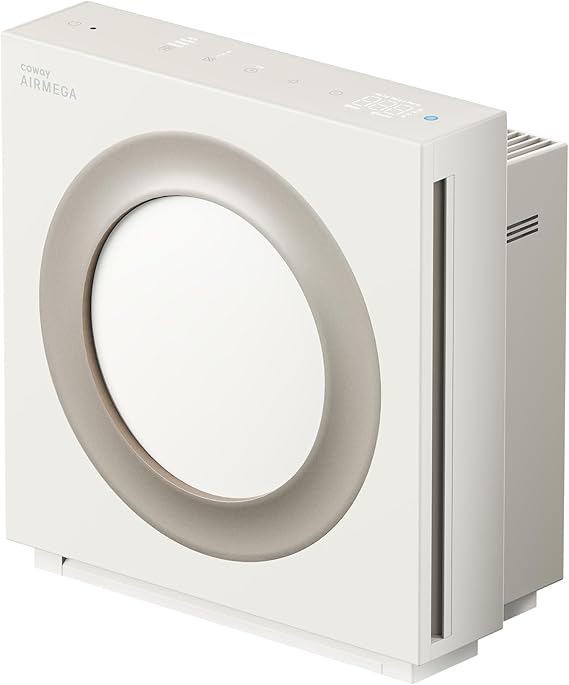
Coway Airmega Mighty2 Air Purifier
Next-gen HEPA air purifier. Covers up to 1,800 sq ft. IEST certified. Eco mode. Covers allergens, smoke, dust, pets, mold.
Check Price →
Airthings Corentium Home Radon Detector
Continuous digital radon monitoring. No lab fees. Real-time readings.
Check Price →
Kidde Carbon Monoxide Detector
Plug-in CO alarm with battery backup. Digital display. Peak level memory.
Check Price →As an Amazon Associate, we earn from qualifying purchases.
Your family's health is too important to guess.
Take 2 minutes right now to find out which of the 20+ hidden hazards may be in your home. Free. No email required.
Get Your Free Air Quality Score Now →Product Comparisons
Side-by-side comparisons of the detectors, purifiers, and test kits that matter most for your home's air quality.
About HomeAirHazards.com
HomeAirHazards.com is a free resource dedicated to helping homeowners identify and address indoor air quality hazards. All information is based on EPA, CDC, and WHO guidelines.
Learn More →Free Tools to Protect Your Home
- Air Quality Risk Quiz — 2-minute assessment
- Room-by-Room Scanner — check every room
- What's That Smell? — odor diagnostic
- Symptom Checker — match symptoms to hazards