
Dust Mite Allergens in the Bedroom: Risks, Testing & What to Do
Quick Answer: Is Dust Mite Allergens Common in the Bedroom?
Bedroom is where you spend 6-9 hours breathing every night. Mattresses, bedding, and furniture off-gas chemicals continuously. Dust mites thrive in mattresses. Poor nighttime ventilation means you breathe concentrated pollutants while you sleep.
Verdict: Moderate risk, but worth testing — especially if you have symptoms.
Why the Bedroom Is Vulnerable to Dust Mite Allergens
Bedroom is where you spend 6-9 hours breathing every night. Mattresses, bedding, and furniture off-gas chemicals continuously. Dust mites thrive in mattresses. Poor nighttime ventilation means you breathe concentrated pollutants while you sleep.
Specific sources in the bedroom: mattresses, pillows, upholstered furniture, carpeting, stuffed animals, bedding.
Risk Factors for Dust Mite Allergens in the Bedroom
mattresses
pillows
upholstered furniture
carpeting
stuffed animals
bedding
Symptoms to Watch For
If you notice these symptoms — especially after spending time in your bedroom — dust mite allergens could be the cause:
What You Can Do Right Now
Test for dust mite allergens in your bedroom using an appropriate test kit or monitor — don't guess, measure.
Wash bedding weekly in hot water (130°F). Use allergen-proof mattress and pillow covers. Maintain humidity below 50%. Vacuum with HEPA filter. Remove carpeting in bedrooms if possible.
Improve ventilation in your bedroom by opening windows when possible and ensuring exhaust fans work properly.
Inspect your bedroom for mattresses and address any issues immediately.
Inspect your bedroom for pillows and address any issues immediately.
EPA-Recommended Action
Wash bedding weekly in hot water (130°F). Use allergen-proof mattress and pillow covers. Maintain humidity below 50%. Vacuum with HEPA filter. Remove carpeting in bedrooms if possible.
⚠️ Your Bedroom may contain Dust Mite Allergens at dangerous levels right now.
The EPA estimates indoor air can be 2–5× more polluted than outdoor air. Without testing, there's no way to know if Dust Mite Allergens is present at concerning levels. The EPA recommends testing as the first step.
Recommended Test Kits & Protection for Dust Mite Allergens in the Bedroom
These products are specifically recommended for detecting and addressing dust mite allergens in your bedroom.

SureGuard Mattress Encasement Queen
100% waterproof, bed bug proof, hypoallergenic. Zippered 6-sided encasement blocks dust mites completely. Washable.
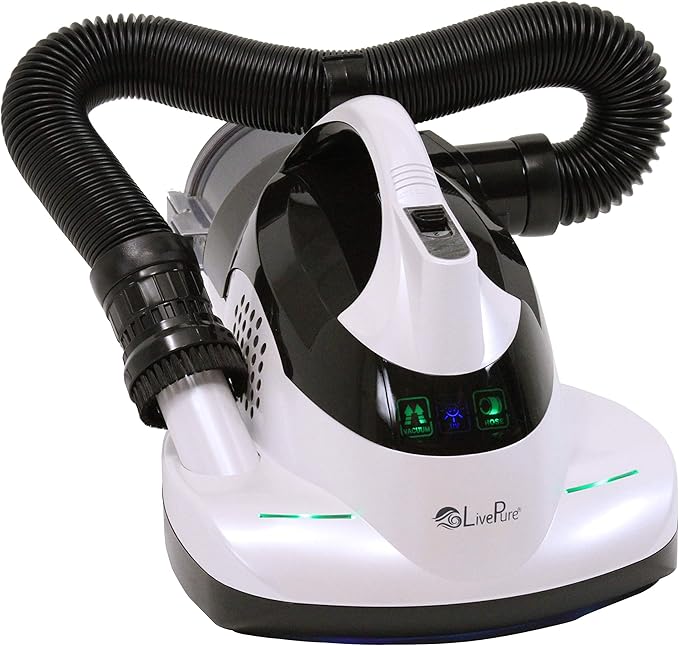
LivePure Ultramite HEPA Bed Vacuum
UV-C light kills dust mites and bacteria. HEPA filtration. Dual motor. Designed specifically for mattresses, pillows, and upholstery.
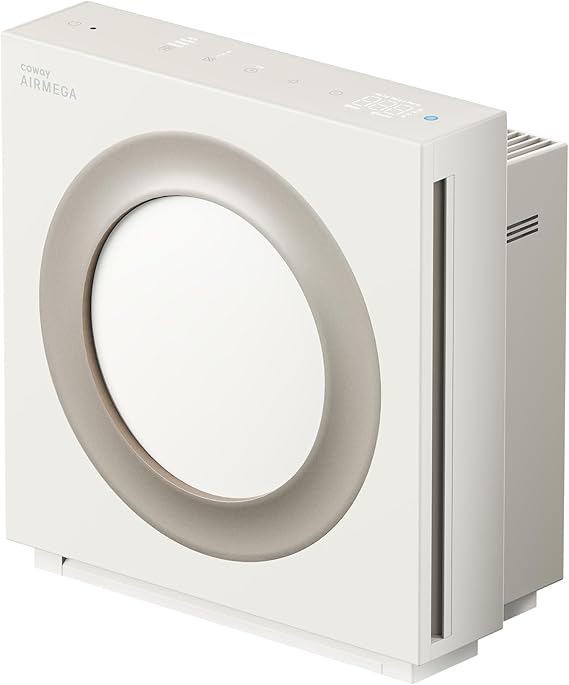
Coway Airmega Mighty2 Air Purifier
Next-gen HEPA air purifier. Covers up to 1,800 sq ft. IEST certified. Eco mode. Covers allergens, smoke, dust, pets, mold.
As an Amazon Associate, we earn from qualifying purchases.
Your Home Air Defense Kit
These 3 items help you monitor and improve your indoor air.

LEVOIT Core 300-P HEPA Air Purifier
A true HEPA filter captures 99.97% of airborne particles — dust, pollen, mold spores, and pet dander. Running one in your main living space is the single most effective step you can take for cleaner indoor air.
Get the Air Purifier — Breathe Cleaner at Home →
First Alert Radon Gas Test Kit
Radon is the second leading cause of lung cancer and you can't smell or see it. This EPA-listed test kit gives you results in days — know your levels before it becomes a problem you can't undo.
Test for Radon — What You Don't Know Can Hurt You →
Digital Moisture Meter
Hidden moisture behind walls and under floors is how mold problems start. A pin-type moisture meter lets you catch elevated readings early — before you see or smell the damage.
Get the Moisture Meter — Stop Mold Before It Starts →Don't just check one room — test your whole home.
Hazards in your bedroom could be affecting air quality throughout your entire house.
Other Hazards in Your Bedroom
Your Bedroom may also contain these air quality hazards:
Formaldehyde (VOC)
Formaldehyde off-gases from pressed wood furniture, flooring, and new construction materials. It is classified as a known human carcinogen by the IARC. Levels are highest in new or recently renovated homes.
Poor Ventilation (Stale Air)
Modern energy-efficient homes trap pollutants indoors. Without adequate ventilation, CO2, VOCs, and airborne pathogens accumulate to levels 2-5x higher than outdoors. This is called sick building syndrome.
Candle and Incense Smoke
Paraffin candles release benzene, toluene, and ultrafine particles when burned. Incense smoke contains PM2.5 at levels comparable to cigarette smoke. Both contribute to indoor air pollution and respiratory issues.
Thirdhand Smoke Residue
Thirdhand smoke is the residual nicotine and chemicals left on surfaces by tobacco smoke. It clings to walls, furniture, and carpets for months. Reacts with indoor air to form carcinogenic compounds. Children are most vulnerable.
Paint Fumes and Off-Gassing
Fresh paint releases VOCs including formaldehyde, benzene, and toluene for weeks after application. Even low-VOC paints can off-gas for days. Children and pregnant women are most at risk.
Dust Mite Allergens in Other Rooms
Dust Mite Allergens can also be found in other rooms in your home:
Frequently Asked Questions
Is dust mite allergens common in the bedroom?
Yes. The bedroom is one of the rooms where dust mite allergens is most commonly found. Sources include: mattresses, pillows, upholstered furniture. Bedroom is where you spend 6-9 hours breathing every night. Mattresses, bedding, and furniture off-gas chemicals continuously. Dust mites thrive in mattresses. Poor nighttime ventilation means you breathe concentrated pollutants while you sleep.
How do I test my bedroom for dust mite allergens?
Use a test kit or monitor designed for dust mite allergens. Place it in your bedroom according to the manufacturer's instructions. Wash bedding weekly in hot water (130°F). Use allergen-proof mattress and pillow covers. Maintain humidity below 50%. Vacuum with HEPA filter. Remove carpeting in bedrooms if possible.
What are the symptoms of dust mite allergens exposure?
Common symptoms include: sneezing, runny nose, itchy watery eyes, nasal congestion, asthma flare-ups, eczema, postnasal drip. If you notice these symptoms, especially after spending time in your bedroom, test the air quality immediately.
Dust Mite Allergens in the bedroom often goes unnoticed. Most homeowners who discover it wish they had tested sooner.
Take the free Air Quality Risk Score quiz and find out what's lurking in every room of your home.
Medical & Environmental Disclaimer
This information is for educational purposes and is based on publicly available EPA and CDC data. It is not a substitute for professional environmental testing, medical advice, or remediation services. If you suspect a gas leak or carbon monoxide emergency, evacuate immediately and call 911.